Open two electrolyte packets side by side -- say, a Liquid IV Lemon Lime and an LMNT Citrus Salt -- and you will think they come from different product categories entirely. One tastes like a tangy lemonade. The other tastes like the ocean with a squeeze of lime. That flavor gap is not random. It tracks directly to two formula decisions: how much sugar is in the packet and how much sodium the brand is trying to deliver.
Understanding that relationship changes how you shop for electrolytes, because taste is not just preference. It tells you what the formula is optimized for.
The Two Camps
We grouped seven popular electrolyte brands by their sugar content, and a clear divide emerged.
The Sweet Side
| Brand | Sugar | Sodium | Potassium | Price/Serving |
|---|---|---|---|---|
| Skratch Labs | 17 g | 370 mg | 220 mg | $0.98 |
| Pedialyte | 13 g | 1,080 mg | 780 mg | $0.79 |
| Liquid IV | 11 g | 500 mg | 370 mg | $1.49 |
The Salty/Neutral Side
| Brand | Sugar | Sodium | Potassium | Price/Serving |
|---|---|---|---|---|
| LMNT | 0 g | 1,000 mg | 200 mg | $1.12 |
| Ultima Replenisher | 0 g | 270 mg | 325 mg | $0.53 |
| Drip Drop (Zero Sugar) | 0 g | 660 mg | -- | $1.25 |
| Nuun | 1 g | 300 mg | 150 mg | $0.75 |
The cutoff is stark. The sweet brands all contain 11 grams of sugar or more. The salty/neutral brands contain one gram or less. There is no middle ground.
Why Sugar Changes Everything About Taste
Sugar does not just add sweetness -- it masks salt. When Skratch Labs puts 17 grams of cane sugar into a serving with 370 mg sodium, the result tastes like a fruit drink. Your tongue registers the sweetness first, and the sodium fades into the background. That is why Skratch Labs can deliver a respectable electrolyte dose while tasting like something you would actually order at a juice bar.
LMNT takes the opposite approach. With zero sugar and 1,000 mg sodium, there is nothing to hide behind. The salt hits your palate directly, and the flavor names (Citrus Salt, Raspberry Salt, Mango Chili) lean into that identity rather than fighting it. For people accustomed to salty foods, this tastes clean and functional. For people expecting a sports drink, it can be a shock.
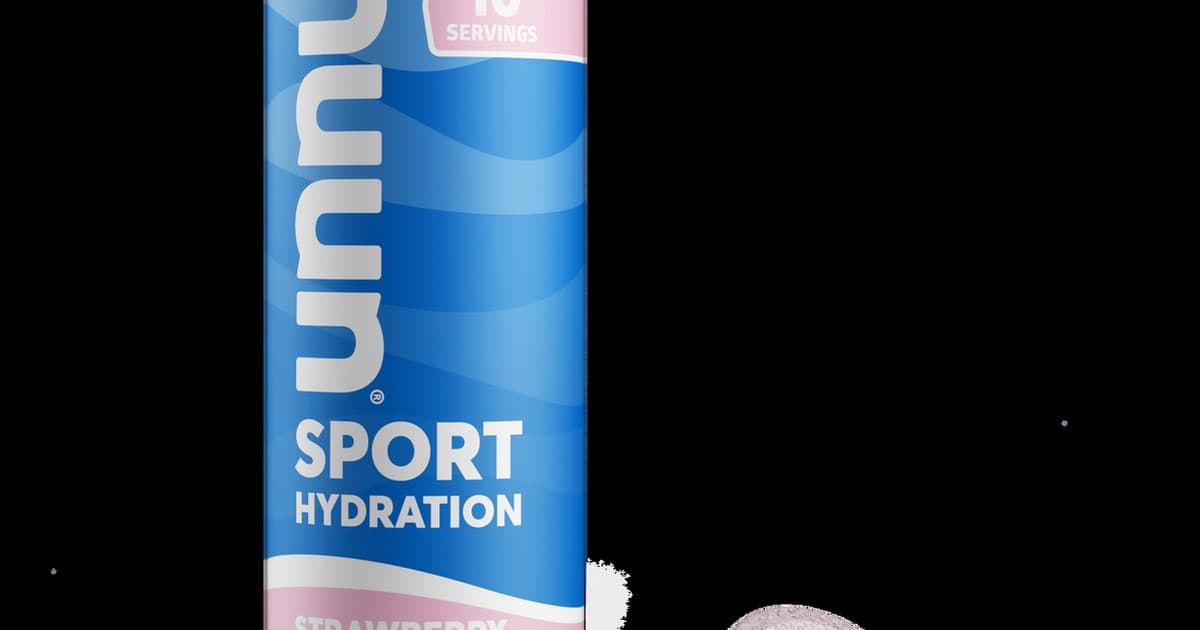
Nuun threads the needle with just 1 gram of sugar and 300 mg sodium. The effervescent tablet format adds a fizzy mouthfeel that distracts from the mineral taste, so Nuun drinks more like flavored sparkling water than either a fruit punch or a salt solution.
The Science Behind the Sweetness: Glucose-Sodium Co-Transport
The sugar in sweet electrolyte powders is not just for flavor. It serves a physiological function.
Your small intestine has a specific transporter protein (called SGLT1) that pulls sodium and glucose into the bloodstream together. When glucose and sodium arrive at the intestinal wall at the same time, water follows them both through the membrane more efficiently than it would with sodium alone. This mechanism is the basis of oral rehydration therapy, which the World Health Organization has used for decades to treat dehydration in clinical settings.
Liquid IV leans heavily on this concept -- the brand calls it Cellular Transport Technology, or CTT. The 11 grams of sugar and 500 mg sodium are calibrated to activate that co-transport pathway. Pedialyte uses the same principle with 13 grams of sugar and a much higher 1,080 mg sodium, which is why hospitals stock it for acute dehydration.
Skratch Labs takes the sweetest route with 17 grams of sugar and 370 mg sodium. The extra sugar also provides about 80 calories of quick-burning carbohydrate energy, which matters during long workouts when you need fuel alongside hydration.
So what about the zero-sugar brands? They still work. Sodium gets absorbed through other pathways in the gut, just not as rapidly through the glucose co-transport mechanism. For most daily hydration needs -- sitting at a desk, light exercise, general wellness -- the absorption speed difference is negligible. The co-transport advantage becomes meaningful during acute dehydration, heavy exercise in heat, or illness recovery, where getting fluid into the bloodstream quickly actually matters.
Flavor Variety Across the Divide
Both camps offer respectable flavor selections, but the character of those flavors differs.
Sweet brands lean into fruit-forward profiles. Liquid IV's 15 flavors include Passion Fruit, Strawberry Lemonade, and Cotton Candy. Skratch Labs offers 9 flavors built around real fruit like Lemon Lime and Raspberry. Pedialyte covers 18 options ranging from classic Grape to Berry Frost and Strawberry Freeze. These taste like drinks you would choose for pleasure, not just function.
Salty/neutral brands approach flavor differently. LMNT's 9 flavors pair fruit with salt (Citrus Salt, Watermelon Salt, Chocolate Salt for the adventurous). Ultima offers 12 flavors sweetened with stevia, producing a light, slightly herbal taste. Nuun's 9 tablet flavors fizz into mild, sparkling-water-adjacent drinks. Drip Drop splits the difference with 14 flavors in its zero-sugar line. These taste functional first, pleasant second.
The flavor gap matters more than most people expect. If you hate the taste of your electrolyte powder, you will not drink it consistently. Compliance beats optimization every time.
Who Prefers Sweet
People recovering from illness. When you are nauseous or feverish, salty liquids can trigger gagging. A sweet electrolyte drink goes down easier and activates the glucose co-transport pathway when your body needs rapid rehydration most.
Endurance athletes who need carbs. If you are running, cycling, or hiking for more than 90 minutes, you need both electrolytes and fuel. Skratch Labs at 17 grams of sugar per serving doubles as a light carbohydrate source. Mixing a separate sugar drink plus a separate electrolyte powder is more hassle than one product that handles both.
People new to electrolyte supplements. If you have been drinking Gatorade or juice your whole life, the jump to a zero-sugar, high-sodium powder can feel harsh. Starting with Liquid IV or Skratch Labs eases the transition. The familiar sweetness builds the habit, and you can shift to lower-sugar options later if you want.
Kids and families. Getting children to drink anything that tastes medicinal is a losing battle. Pedialyte has built its entire pediatric reputation on making electrolytes palatable for small humans. The sugar is a feature, not a bug, in that context.
Who Prefers Salty
Keto and low-carb dieters. If you are restricting carbohydrates to under 30-50 grams per day, an 11-17 gram sugar hit from your electrolyte drink is significant. LMNT and Ultima both deliver zero sugar, letting you maintain ketosis while replacing the sodium and potassium that low-carb diets tend to flush out.
Heavy sweaters and hot-climate workers. When you lose a liter or more of sweat per hour, you need sodium density, not flavor. LMNT's 1,000 mg sodium per serving replaces what a hard session strips out. The salty taste actually serves as a signal -- it tells your body that salt is coming, which can reduce the urge to over-drink plain water (a real risk during ultra-endurance events).
People who drink electrolytes all day. If you go through two or three servings daily, the sugar in sweet brands adds up. Three servings of Skratch Labs means 51 grams of sugar -- more than a can of soda. Three servings of Ultima means zero grams. For daily, all-day sippers, the neutral brands keep the sugar load out of the equation.
Fasting practitioners. Even a small amount of sugar can technically break a fast by triggering an insulin response. LMNT and Ultima both work during fasting windows without spiking blood glucose.
The Hybrid Approach
You do not have to pick a side permanently. Many people rotate based on context:
- Morning fasting window: LMNT or Ultima (zero sugar, functional salt)
- During a long workout: Skratch Labs or Liquid IV (sugar fuels absorption and energy)
- Post-workout recovery: Pedialyte (high sodium and potassium for aggressive replacement)
- Travel days: Liquid IV sticks (sweet, dissolves fast, easy to drink on a plane)
- Daily desk hydration: Nuun tablets (1 gram sugar, fizzy, light enough to sip for hours)
This rotation matches the formula to the moment rather than forcing one product to serve every purpose.
Reading the Label as a Taste Predictor
Next time you pick up an electrolyte powder, check two numbers before anything else: sugar and sodium. If sugar is above 10 grams, expect a sweet, fruit-forward drink. If sugar is zero and sodium is above 500 mg, brace for a salty experience. If both are moderate (like Nuun's 1 gram sugar and 300 mg sodium), the taste will be mild and neutral.
Those two numbers predict the drinking experience more reliably than any flavor name on the packet. A "Lemon Lime" with 17 grams of sugar (Skratch Labs) and a "Citrus Salt" with 0 grams of sugar (LMNT) are fundamentally different drinks despite both being citrus-flavored.
The formula behind the flavor is the real story. Sweet electrolytes use glucose to speed absorption and mask mineral taste. Salty electrolytes prioritize sodium density and skip the sugar entirely. Neither approach is wrong -- they are built for different bodies, different schedules, and different goals. Figure out which camp fits your typical day, then keep one option from the other side on hand for the days that do not go as planned.
How we do this
See methodology and our data sources policy.

About Salty Hydration
Data-driven electrolyte reviews for athletes and health enthusiasts. Every number cited comes from verified label data and published pricing pages.